
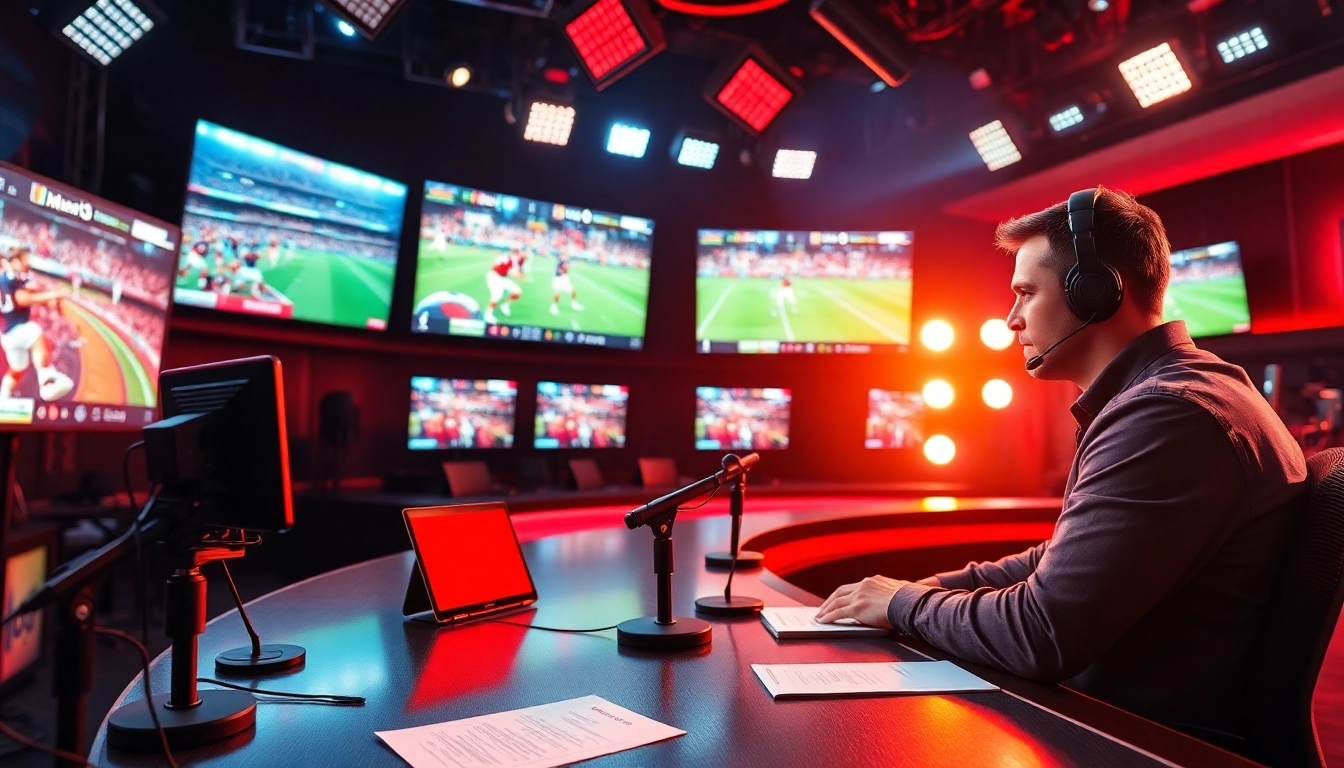
Understanding the Basics of Sports Broadcasting
Definition and Importance of Sports Broadcasting
Sports Broadcasting is the dissemination of live or recorded sporting events via television, radio, or online platforms. It serves as the bridge between the action on the field and the fans at home, providing viewers with a front-row seat to the excitement. This medium is vital for several reasons: it enhances the visibility of sports, promotes athletic events, and generates substantial revenue for leagues and teams through advertising and sponsorships. With the rise of digital platforms, Sports Broadcasting has evolved significantly, expanding its reach and engagement capabilities.
The Evolution of Sports Broadcasting
The journey of Sports Broadcasting began in the 1920s, primarily with radio broadcasts of baseball games. By the 1950s, television transformed the landscape, introducing play-by-play commentary and visual coverage that captivated audiences. The advent of cable networks further revolutionized sports broadcasting, providing dedicated channels for sports fans. In recent years, streaming services like Netflix and ESPN+ have disrupted traditional broadcasting methods, forcing networks to innovate and adapt to changing viewer behaviors and technological advancements.
Key Roles in Sports Broadcasting
Sports Broadcasting involves a variety of key roles, each contributing to the viewer experience. Broadcasters and commentators deliver play-by-play insights, while producers manage technical aspects to ensure quality transmission. Analysts provide in-depth statistical breakdowns, enhancing audience understanding. Behind the scenes, camera operators, sound engineers, and graphic designers work in synergy to create a polished final product. Each role is crucial in maintaining the excitement and clarity that fans expect from sports broadcasts.
Technological Advances in Sports Broadcasting
Impact of Streaming Services on Sports Broadcasting
The rise of streaming services has drastically altered how sports are consumed. Viewers have shifted from traditional cable packages to on-demand streaming, allowing them to watch their favorite games anytime, anywhere. This shift has compelled traditional broadcasters to enter partnerships with streaming platforms to retain their audiences. The flexibility of streaming also means niche sports can find dedicated viewers who may not have previously had access through conventional broadcasting methods.
Use of Virtual Reality in Sports Broadcasting
Virtual reality (VR) is on the cutting edge of sports broadcasting, offering immersive experiences that bring fans closer to the action than ever before. VR technology allows users to engage with live events in a simulated environment, providing perspectives that traditional broadcasts simply cannot match. Fans can feel as if they are in the stadium, experiencing the atmosphere and intensity of live matches from the comfort of their homes. This innovation is reshaping fan engagement and has the potential to change viewership paradigms.
Enhancements in Broadcast Equipment and Technology
Constant advancements in broadcast technology have revolutionized how sports are presented. High-definition cameras capture every detail, while drones provide aerial views of sporting events. Graphics packages now include real-time statistics, player bios, and even interactive features during live broadcasts. These enhancements elevate viewer engagement and satisfaction, making broadcasts not just informative, but visually spectacular experiences that captivate audiences.
Audience Engagement Strategies in Sports Broadcasting
Interactive Viewing Experiences
One of the most effective methods of engaging audiences is through interactive viewing experiences. Technologies such as augmented reality (AR) and mobile apps allow fans to participate during broadcasts, providing polls, trivia games, and interactive stats. These tools bridge the gap between passive viewing and active participation, fostering a deeper connection between fans and their favorite sports.
Utilizing Social Media for Enhanced Engagement
Social media platforms are crucial for modern sports broadcasting strategies. Networks leverage platforms like Twitter, Instagram, and Facebook to share highlights, behind-the-scenes content, and engage with fans directly. Social media not only offers instant feedback but also serves as a platform for fan discussion, creating a vibrant community that enhances the overall viewing experience.
Creating Compelling Content for Diverse Audiences
To succeed in sports broadcasting, it is essential to tailor content to diverse audiences. Different demographics have varying preferences, requiring broadcasters to create targeted content that resonates with each group. For instance, younger viewers may prefer shorter highlight reels and social media clips, while older fans might appreciate in-depth analysis and post-game discussions. This targeted approach not only maximizes reach but also deepens audience loyalty.
Challenges in Sports Broadcasting
Regulatory and Licensing Issues
Sports broadcasters often navigate complex regulatory frameworks and licensing agreements that can impact their operations. Broadcasting rights are fiercely contested, and securing these rights is crucial for networks. Failure to comply with regulations can result in hefty fines and loss of viewership, emphasizing the importance of understanding and adhering to legal requirements within the industry.
Competition Among Broadcasting Networks
The competitive landscape of sports broadcasting is increasingly saturated. With numerous networks vying for the rights to showcase major sporting events, distinguishing oneself becomes critical. Broadcasting networks must innovate and deliver unique value propositions to retain viewers in a crowded marketplace, constantly adapting to emerging trends and technologies to stay ahead.
Addressing Viewer Fatigue and Retention
As the abundance of streaming options grows, viewer fatigue has become a significant challenge. Sports broadcasters must continually find ways to retain their audience’s attention. This may involve creating engaging content, utilizing data analytics to understand viewer preferences, or offering exclusive experiences that make audiences feel valued and connected, ensuring they keep coming back for more.
Future Trends in Sports Broadcasting
Increased Personalization in Sports Broadcasting
The future of Sports Broadcasting lies in personalization. As data analytics becomes more advanced, broadcasters can tailor content to suit individual preferences better. From customized viewing options to targeted advertisements, enhancing the viewer experience through personalization can significantly boost engagement and satisfaction, fostering a more loyal fan base.
The Role of Data Analytics in Broadcasting
Data analytics plays an increasingly vital role in shaping sports broadcasting strategies. By analyzing viewer data, broadcasters can gain insights into demographics, preferences, and viewing behaviors. This information allows for informed decision-making, such as programming schedules or content types, ensuring that broadcasters can cater to audience desires and improve overall engagement.
Predictions for the Next Decade in Sports Broadcasting
The landscape of Sports Broadcasting will look vastly different in the next decade. We are likely to see a seamless integration of AR and VR, personalized content delivered via AI, and even greater opportunities for viewer interaction. As technology continues to evolve, so too will the methods and practices of engaging sports audiences, making the future bright for those willing to adapt and innovate.
Frequently Asked Questions
What is Sports Broadcasting?
Sports Broadcasting refers to the transmission of live or recorded sporting events via various media, such as television, radio, or online platforms, connecting fans with their favorite sports.
How has technology impacted Sports Broadcasting?
Technology has revolutionized Sports Broadcasting through high-definition visuals, real-time statistics, and immersive experiences via VR, providing enhanced viewer engagement and satisfaction.
What role does social media play in Sports Broadcasting?
Social media enhances Sports Broadcasting by facilitating direct engagement with fans, sharing highlights, and creating platforms for discussion, which helps build community and loyalty.
What challenges does Sports Broadcasting face?
Sports Broadcasting faces challenges like regulatory issues, competition among networks, and viewer fatigue, necessitating innovation and strategic audience engagement approaches.
What does the future hold for Sports Broadcasting?
The future of Sports Broadcasting will likely include increased personalization, AI-driven analytics, and enhanced interactive experiences, significantly enriching the viewer experience.