
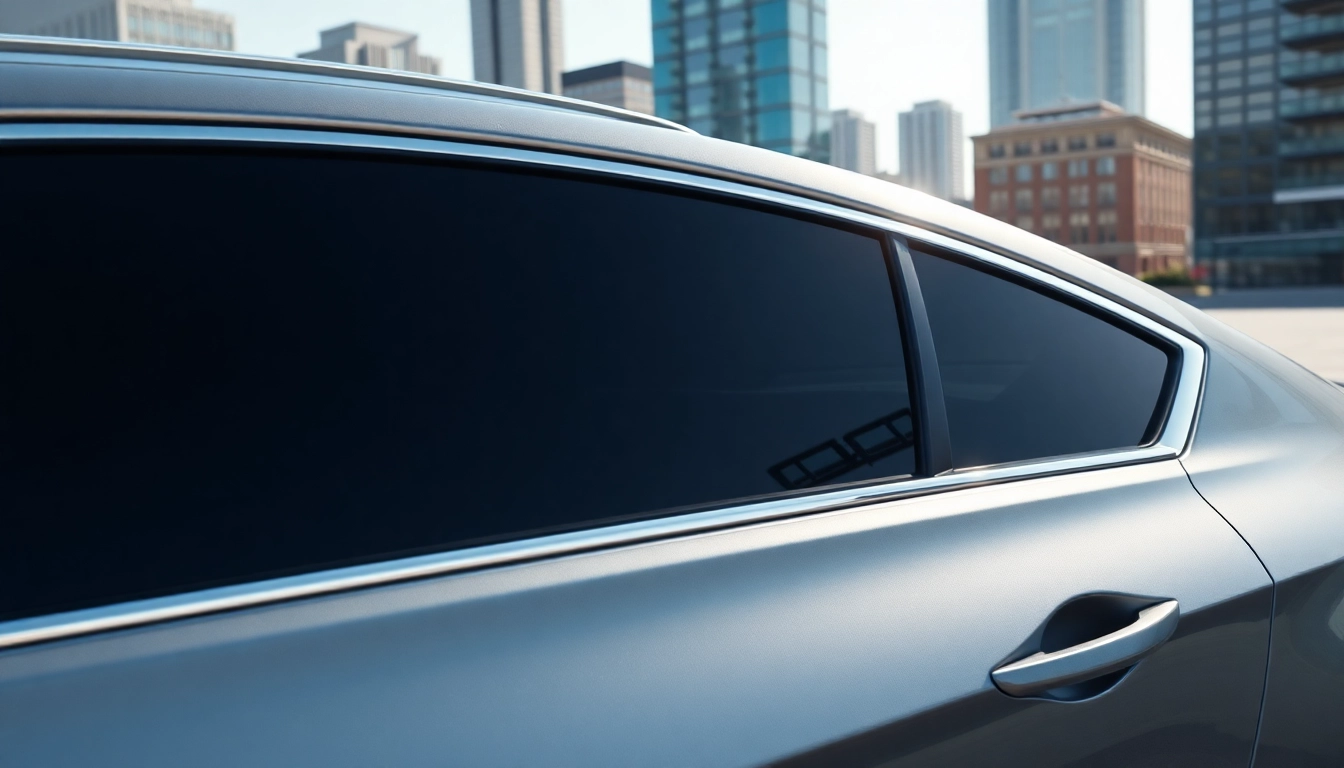
Understanding Ceramic Window Tint
What is Ceramic Window Tint?
Ceramic window tint is an advanced window film designed to enhance comfort and safety in vehicles and homes alike. Unlike traditional tint films, ceramic window tint utilizes ceramic particles that are non-metallic and non-conductive. This technology allows for superior heat rejection while maintaining visibility. The inclusion of ceramic materials results in a tint that effectively blocks harmful UV rays and infrared heat without compromising the aesthetic appeal of your windows. With an emphasis on durability and resilience, ceramic window tint is becoming increasingly popular among car enthusiasts and homeowners seeking long-lasting solutions for window protection.
Benefits of Ceramic Window Tint
The benefits of ceramic window tint extend beyond basic sun protection. One of the standout features is its ability to reject up to 99% of harmful UV rays, which can contribute to skin damage and fading of interior furnishings. Additionally, this type of window tint offers excellent heat reduction, leading to a more comfortable interior climate in vehicles and homes alike. Users often report a significant decrease in reliance on air conditioning, which can translate to lower energy bills. Furthermore, the clarity of the film means that it does not distort vision, making it a favorite for those who prioritize safety and functionality alongside aesthetics.
How Ceramic Window Tint Works
Ceramic window tint operates on a straightforward yet effective principle: it reflects and absorbs heat while allowing visible light to pass through. The ceramic particles embedded within the film help to minimize solar heat gain, effectively reducing the overall temperature inside the vehicle or home. Unlike metallic films that interfere with electronic signals, the non-conductive nature of ceramic materials ensures that there are no disruptions to GPS, radio, or mobile signals. By providing a barrier against solar energy, ceramic window tint promotes energy efficiency and enhances overall comfort.
Advantages of Ceramic Window Tint
Heat and UV Protection
The ability of ceramic window tint to block a significant amount of solar heat and UV radiation sets it apart from conventional window films. This specialized tint can reject up to 70% of the sun’s heat, making it particularly beneficial during hot summer months. Moreover, it guards against UV rays that are known to cause skin cancer. Prolonging the life of your vehicle’s interior, as well as your home furnishings, reduces the fading caused by harmful UV exposure.
Enhanced Privacy and Security
Another prominent advantage of ceramic window tint is improved privacy. The darker film provides an increased level of concealment, making it difficult for outsiders to view the interior of your space. This is particularly valuable for vehicles parked in public areas or homes situated close to neighbors. Additionally, high-quality ceramic tints can help prevent breakage during accidents or attempted burglaries, as they hold shattered glass together, minimizing the risk of injury from flying shards.
Improved Aesthetic Appeal
The aesthetic benefits of ceramic window tint cannot be overlooked. Available in various shades to suit different preferences, it enhances the overall exterior look of a vehicle or building. Beyond mere aesthetics, the film offers a sleek and polished appearance, elevating the curb appeal of your property or vehicle. This modern, sophisticated look adds value and often makes it more attractive in the eyes of potential buyers.
Installation Process for Ceramic Window Tint
Preparation for Installation
Before diving into the installation of ceramic window tint, preparation is crucial. It begins with selecting the appropriate type and shade of tint that complies with local regulations. Next, a clean and dust-free environment is essential for optimal adhesion. The windows should be thoroughly washed and dried, removing any dirt, dust, or debris that could compromise the quality of the installation.
Step-by-Step Installation Guide
The installation of ceramic window tint can be broken down into essential steps:
- Measure Windows: First, measure the windows accurately to ensure the tint is cut to the correct size.
- Cut Tint Film: Using the measurements, cut the ceramic film appropriately, leaving a slight excess for later trimming.
- Application Solution: Prepare an application solution that will help the film adhere easily and allow for repositioning.
- Apply the Film: Start in a corner, gradually placing the film on the window while smoothing out air bubbles using a squeegee.
- Trim Excess: Once the film is in place, use a sharp knife to trim the edges carefully.
- Final Smoothing: Smooth out any remaining bubbles and ensure complete adhesion.
Post-Installation Care Tips
After installation, it’s crucial to give the film time to cure. Avoid rolling down the windows for at least 48 hours to allow for proper adhesion. Regular maintenance involves cleaning with a mild soap solution and using a soft cloth to avoid scratching the film. Avoid using ammonia-based cleaners, as they can damage the tint over time. Following these care guidelines will help maintain the integrity and appearance of ceramic window tint.
Caring for Your Ceramic Window Tint
Cleaning and Maintenance Tips
Cleaning your ceramic window tint is essential for maintaining its clarity and functionality. A simple mixture of mild soap and water is usually sufficient for removing dirt and grime. Use a soft microfiber cloth to avoid scratching the surface. Regular cleaning, rather than waiting for dirt accumulation, helps keep the film looking pristine and can prolong its lifespan.
Common Mistakes to Avoid
When caring for your ceramic window tint, it’s essential to avoid certain common mistakes. First, do not use abrasive materials, such as steel wool or hard brushes, as they can scratch the tint. Additionally, refraining from applying heavy pressure while cleaning will help avoid damaging the tint. Lastly, always wait the recommended time before cleaning after installation, as improper timing can lift the tint from the window.
When to Seek Professional Help
If you notice issues such as bubbling, peeling, or discoloration, it may be time to consult a professional. Improper installation or environmental factors can cause these problems, and addressing them early with professional help can prevent further damage. Professionals can also offer advice on whether reapplication is necessary.
FAQs about Ceramic Window Tint
How long does ceramic window tint last?
Ceramic window tint typically lasts 10 to 15 years, ensuring long-term performance and reliability.
Is ceramic window tint legal?
Yes, ceramic window tint is legal in most places, but specific regulations about darkness and reflectivity vary by state or region.
Can ceramic window tint be removed?
Yes, ceramic window tint can be removed; it requires careful methods to avoid damaging the glass underneath.
Does ceramic window tint fade over time?
No, one of the strengths of ceramic window tint is its resistance to fading compared to traditional films.
How does ceramic window tint compare to traditional tints?
Ceramic window tint offers superior heat and UV rejection, better clarity, and more durability compared to traditional tints.